Table of Contents
Visible veins do not always require medical care, but they should not be dismissed simply because they appear to be a cosmetic concern. For some people, enlarged or damaged veins can interfere with circulation, cause persistent discomfort, or increase the risk of skin complications over time. Understanding when vein therapy moves beyond cosmetic improvement helps you know when it is time to seek a professional evaluation.
How do I know if my veins need medical treatment instead of cosmetic treatment?
Persistent pain, swelling, skin changes, or circulation concerns may indicate the need for medical evaluation.
Cosmetic Veins vs. Vein Disease
Many people associate visible veins with aging or genetics, yet appearance alone does not determine if treatment is medically necessary. Some individuals have noticeable veins with few or no symptoms, while others experience aching, swelling, or skin changes even when the veins seem relatively small.
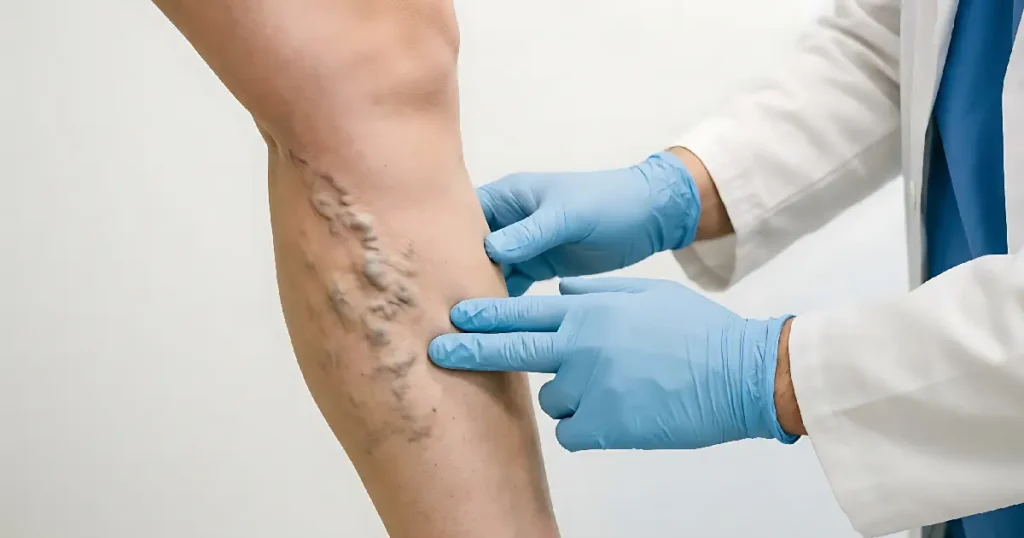
A dermatologist or vein specialist looks beyond what can be seen on the skin’s surface. The goal of a thorough vein evaluation is to determine if damaged vein valves are affecting blood flow. Healthy veins move blood back toward the heart with the help of one-way valves. When those valves weaken, blood may pool in the legs instead of circulating efficiently. Over time, this increased pressure can contribute to chronic venous disease and related symptoms.
This distinction is important because vein treatment for cosmetic concerns differs from vein disease treatment intended to improve circulation and reduce medical complications.
What Signs Suggest Vein Treatment Is Medically Necessary?
A dermatologist evaluates more than visible veins during an examination. Symptoms, medical history, and changes in the skin often provide valuable clues about how well the veins are functioning.
Some findings that may indicate medical necessity include:
- Persistent aching, heaviness, or throbbing in the legs
- Swelling that returns regularly, especially around the ankles
- Burning, itching, or tenderness near affected veins
- Symptoms that worsen after prolonged standing or sitting
- Leg fatigue that limits daily activities
- Skin discoloration or thickening around the lower legs
These symptoms may indicate increased pressure within the veins rather than a cosmetic issue alone. Early vascular treatment may help manage symptoms and reduce the likelihood of additional complications when appropriate.
Skin Changes Can Reveal More Than You Expect
One of the most important aspects of a dermatology examination involves the condition of the skin itself. Changes in the skin may develop gradually as circulation becomes less efficient.
A dermatologist looks for signs such as brown discoloration around the ankles, persistent dryness, thickened skin, inflammation, or areas that heal more slowly than expected. These changes suggest that surrounding tissues may not be receiving healthy circulation over time.
Skin findings often provide additional evidence that vein disease treatment should be considered alongside symptom management. Addressing the underlying vein problem may help reduce ongoing pressure affecting the skin.
How Dermatologists Evaluate Vein Health
A complete vein evaluation involves much more than inspecting visible veins. During your appointment, your provider works to understand how your symptoms affect daily life while identifying possible circulation problems.
The evaluation may include reviewing your medical history, discussing when symptoms occur, examining both legs while standing and sitting, and assessing swelling or skin changes. Your dermatologist may also ask about family history, previous pregnancies, blood clots, occupations that require prolonged standing, or prior leg injuries.
If additional information is needed, imaging studies such as duplex ultrasound may be recommended. This noninvasive test allows the provider to observe blood flow, evaluate vein valve function, and determine if blood is moving properly through deeper veins that cannot be seen during a physical examination.
These findings help determine if varicose vein treatment or another form of vascular treatment is medically appropriate.
Five Findings That May Prompt Medical Vein Therapy
Medical recommendations are based on the complete clinical picture rather than one symptom alone. A dermatologist may recommend vein therapy when several findings suggest that circulation is being affected.
- Persistent leg discomfort that continues despite rest or lifestyle adjustments.
- Recurring swelling that develops frequently and interferes with normal activities.
- Skin discoloration or chronic irritation associated with poor venous circulation.
- Slow-healing sores or venous ulcers, particularly near the ankles.
- Progressive varicose veins that continue enlarging alongside worsening symptoms.
What About Spider Veins?
Many people assume all visible veins require treatment, but spider veins are often different from larger varicose veins. These small red, blue, or purple vessels usually develop close to the skin’s surface and are commonly treated for cosmetic reasons.
Still, spider veins can occasionally appear alongside underlying venous disease. A dermatologist considers the entire clinical picture instead of evaluating these veins in isolation. If symptoms such as swelling, aching, or skin changes are also present, further testing may be appropriate to determine if deeper vein problems exist.
When Should You Schedule an Evaluation?
Many people delay care because they believe discomfort is simply part of aging. Persistent symptoms, however, deserve medical attention, especially when they begin affecting daily activities.
Scheduling an appointment with a vein specialist is worth considering if you notice ongoing leg pain, heaviness, swelling, worsening varicose vein treatment needs, skin discoloration, or veins that continue enlarging over time.
REJUVA Dermatology Vein Therapy in Venice, FL
Patients seeking vein therapy in Venice, FL, can receive comprehensive dermatologic care at REJUVA Dermatology. The practice serves patients throughout Venice and Sarasota County with a patient-centered approach that emphasizes individualized care and thorough evaluation.
In addition to medical and cosmetic dermatology services, our team also offers laser vein treatment as part of its comprehensive care. Every treatment plan begins with understanding the patient’s symptoms, medical history, and treatment goals before recommending an appropriate course of care. This thoughtful approach helps determine if visible veins represent a cosmetic concern, an underlying circulation issue, or both.
Frequently Asked Questions
Are spider veins always a sign of vein disease?
No, spider veins are often cosmetic, although they can sometimes occur alongside deeper vein problems.
What happens during a vein evaluation?
A dermatologist reviews your symptoms, examines your legs, and may recommend imaging if additional information is needed.
Can untreated varicose veins become worse over time?
Some cases can gradually progress and lead to increasing discomfort or skin-related complications if left untreated.