Table of Contents
Collagen gets credited for firm skin in nearly every skincare ad, usually with no explanation of how a treatment produces more of it. RF microneedling is one of the few in-office options where that answer is concrete, because the result comes from a repair process you can follow step by step.
At REJUVA Dermatology in Venice, FL, we use radiofrequency microneedling for patients dealing with laxity, fine lines, acne scarring, and texture that has not responded to products. Here is what happens beneath the surface and why the improvement builds slowly.
How does RF microneedling stimulate collagen production?
RF microneedling uses ultrafine needles to create microscopic channels in the skin while delivering radiofrequency heat into the deeper dermis, which activates the body’s natural repair response. That response switches on the cells responsible for producing collagen and elastin, so new collagen continues forming for weeks and months after the appointment.
What Does Collagen Do for Your Skin, and Why Does It Decline?
Collagen is the structural protein that gives skin its firmness and thickness, while elastin is the protein that lets skin recoil after it stretches. Both live in the dermis, the layer beneath the surface you can see and touch.
Production slows steadily from the mid-twenties onward, and sun exposure accelerates the breakdown of the collagen already there. For patients in Venice and across Sarasota County, where outdoor time runs year-round, that second factor often does more damage than age alone.
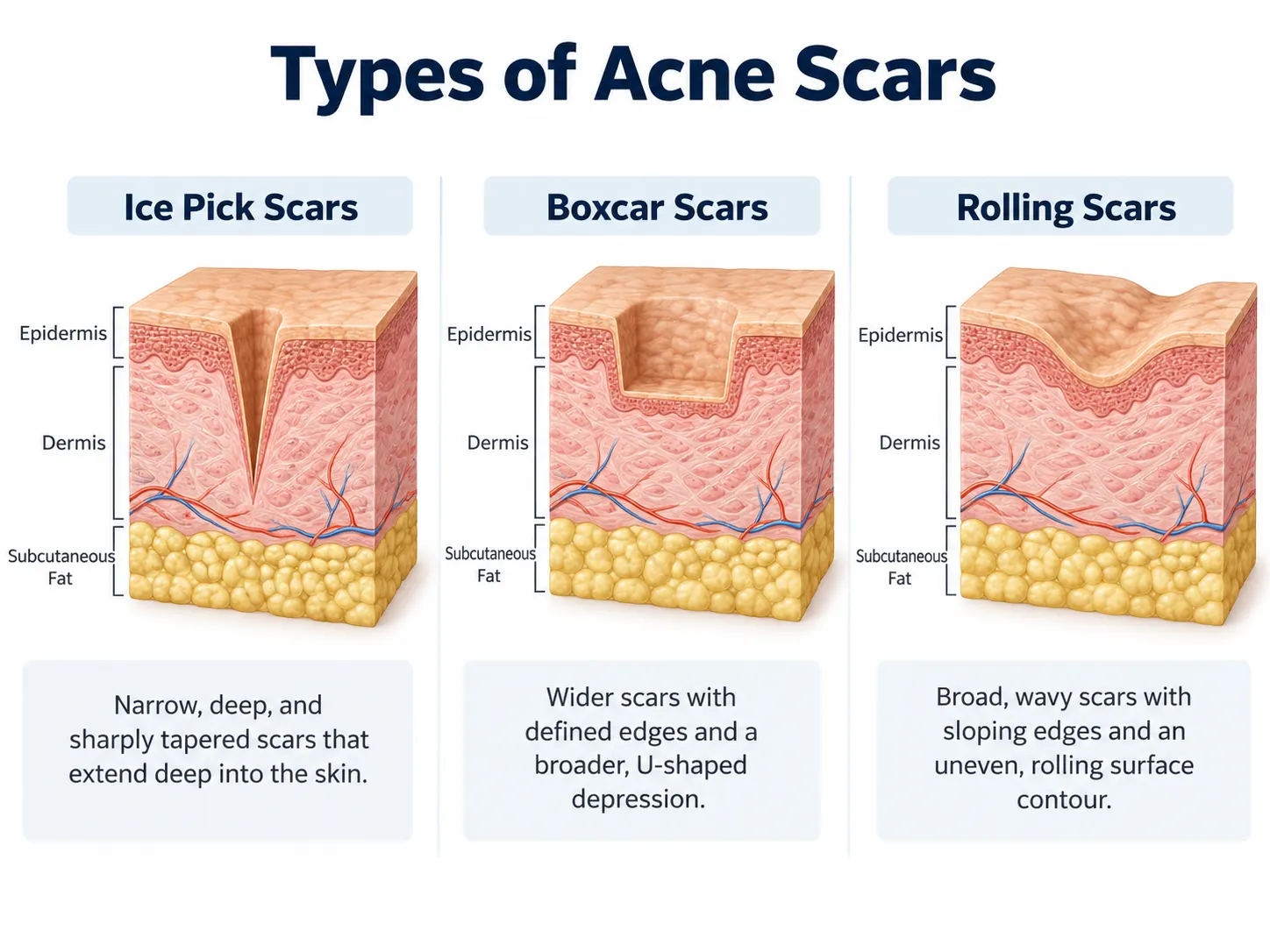
The decline shows up as skin that sags along the jawline, fine lines that stay visible at rest, crepey texture on the cheeks or neck, and acne scars that remain indented because there isn’t enough collagen underneath to lift them. Topical products work on the skin’s surface. Collagen sits several millimeters below, which is the problem a radiofrequency skin treatment is designed to solve.
How Does RF Microneedling Reach the Collagen Layer?
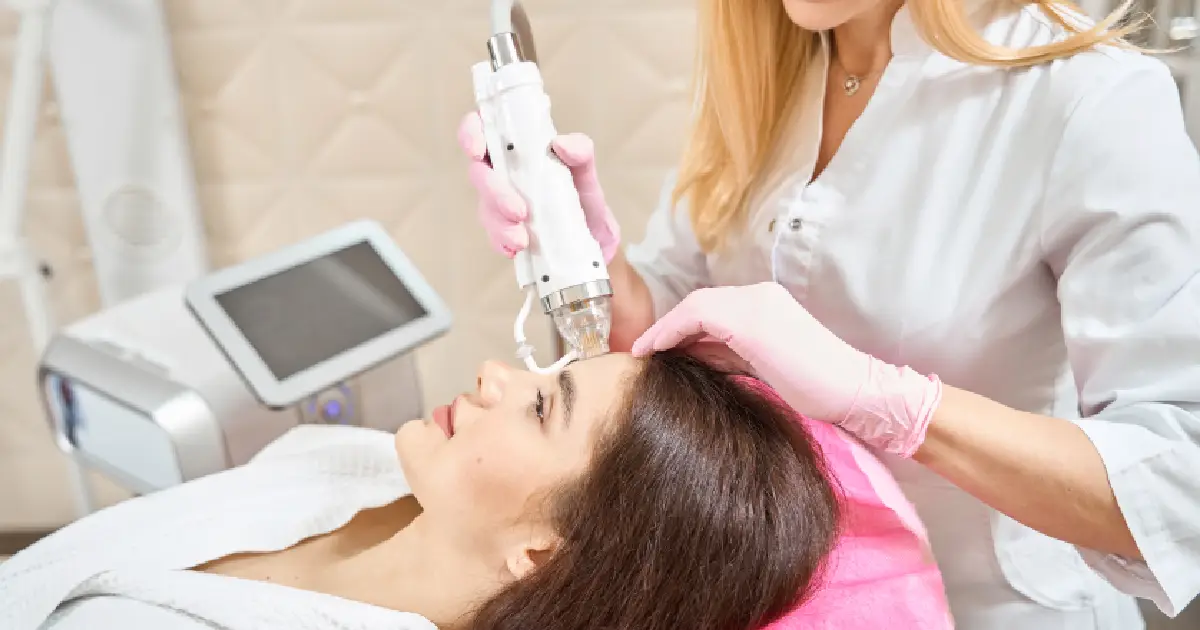
Microneedling uses a series of ultrafine needles to create controlled micro-channels through the skin’s surface. Radiofrequency, or RF, is electrical energy that produces heat as it passes through tissue.
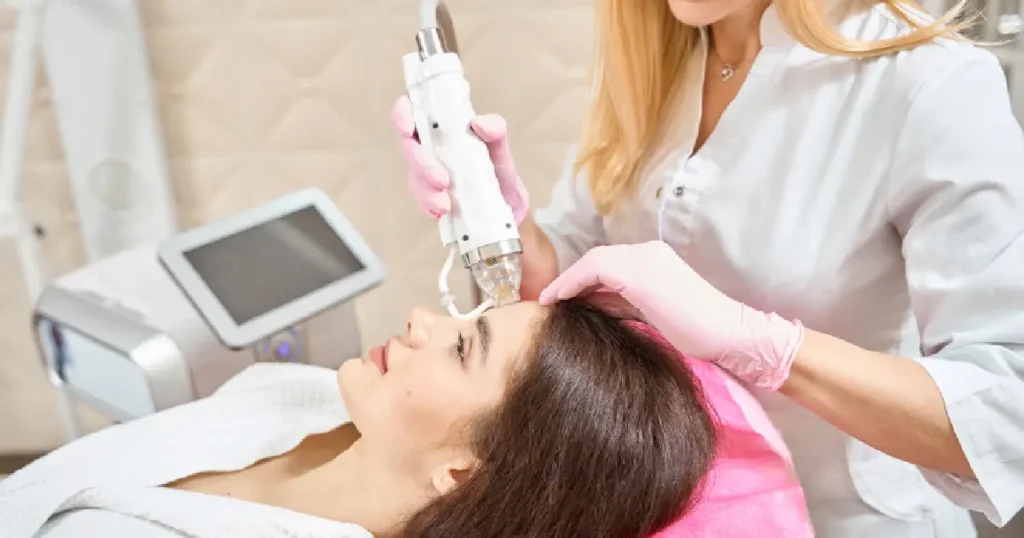
An RF microneedling treatment combines the two. The needles pass through the surface and act as the delivery path, carrying radiofrequency energy directly into the dermis where collagen is produced. Surface disruption stays minimal while the energy reaches the layer that supports structure.
The devices we use at REJUVA Dermatology let us adjust needle depth, energy level, and the number of channels created in each pass. A patient treated for acne scarring on the cheeks needs different settings than a patient treated for laxity along the neck, and we match the treatment to your concern during your consultation.
The Wound Healing Response That Builds New Collagen
New collagen comes from the body’s healing response, which runs in three overlapping phases: inflammation, proliferation, and remodeling.
The micro-injuries created by the needles signal that repair is needed. That signal activates fibroblasts, the cells in the dermis that manufacture collagen and elastin. During proliferation, those fibroblasts begin producing fresh collagen fibers in the treated zones.
Radiofrequency energy adds a second signal at the same time. Controlled heat in the dermis causes existing collagen fibers to contract, contributing to a firmer feel early on, and the thermal stimulus prompts the skin to lay down additional collagen during the remodeling phase. Clinicians call this neocollagenesis, meaning newly formed collagen. New elastin forms through the same process, which contributes to improved skin resilience.
Why Adding Radiofrequency Changes the Collagen Response
Traditional microneedling works primarily through mechanical injury at more superficial depths, producing a real collagen response concentrated near the upper skin layers.
Adding radiofrequency introduces controlled thermal injury deeper in the dermis. Published research links this combined mechanical and thermal stimulus to more significant tissue remodeling than needling alone, which is why RF microneedling for collagen has become a standard option for skin tightening.
The two effects also arrive on different timelines. Existing fibers contract relatively early. New collagen formation is the slower process underneath, developing across several months. For patients, this means one treatment addresses surface texture and deeper laxity at the same time.
What Does Newly Formed Collagen Do?
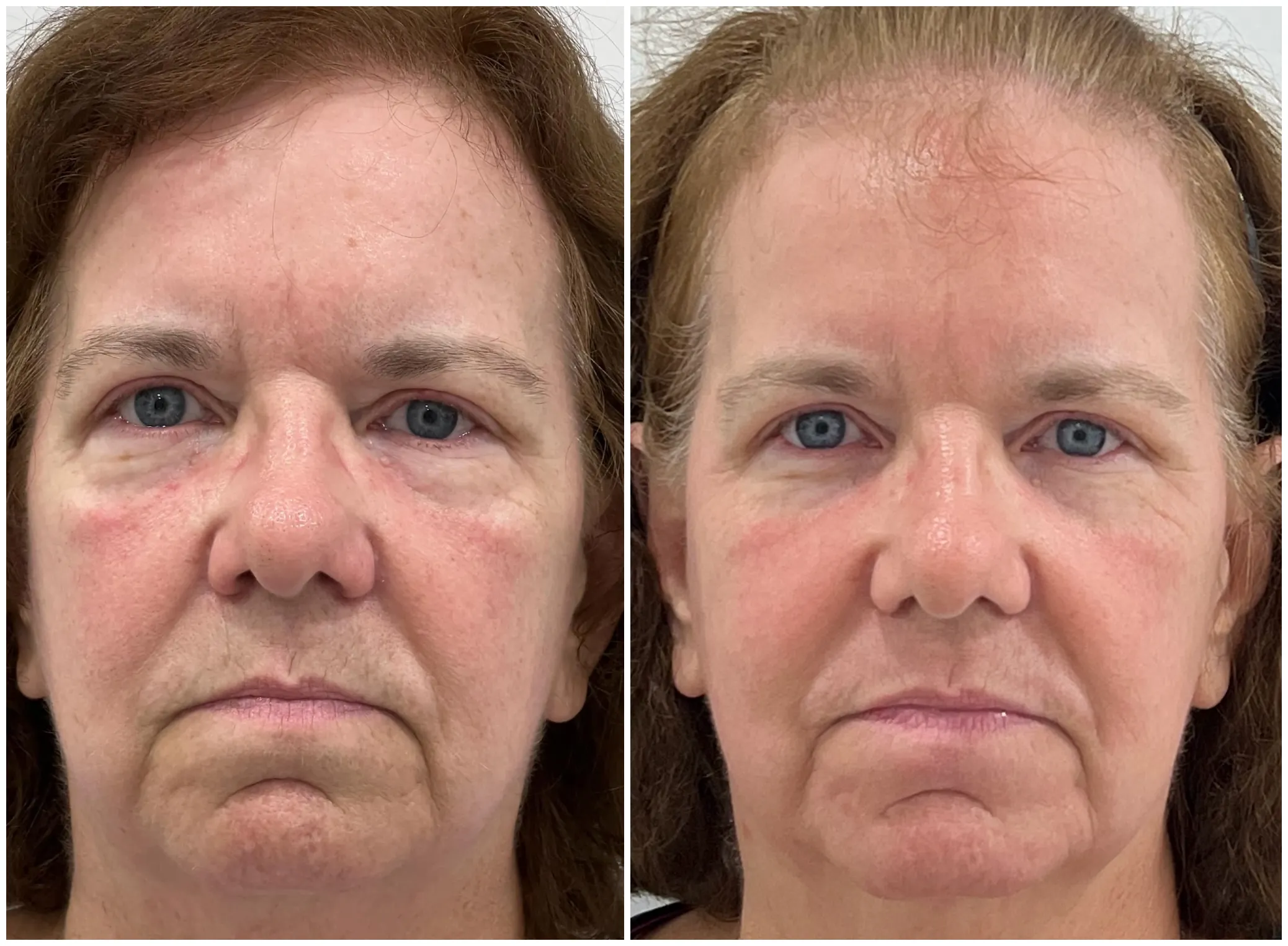
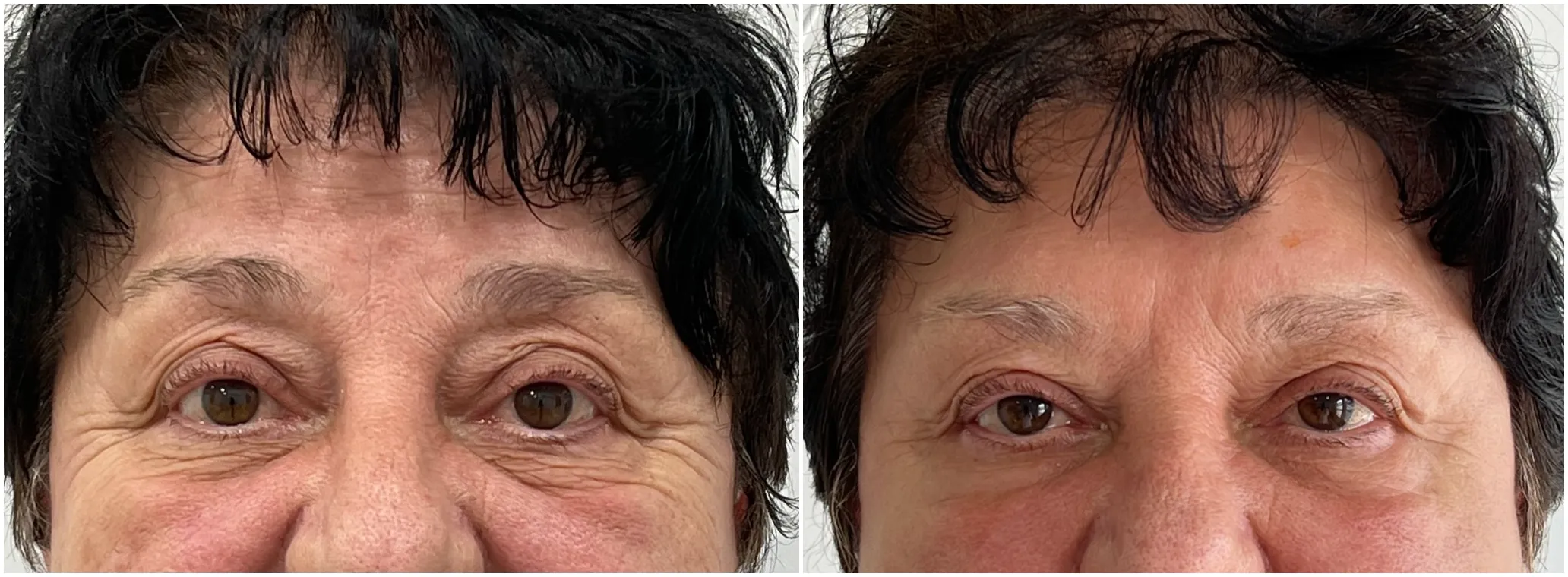
As the dermis rebuilds, it thickens, and better-supported skin reads as firmer along the cheeks, jawline, and neck. Remodeling also fills in depressed acne scars from below and softens the appearance of fine lines, which accounts for most of the RF microneedling benefits patients ask about.
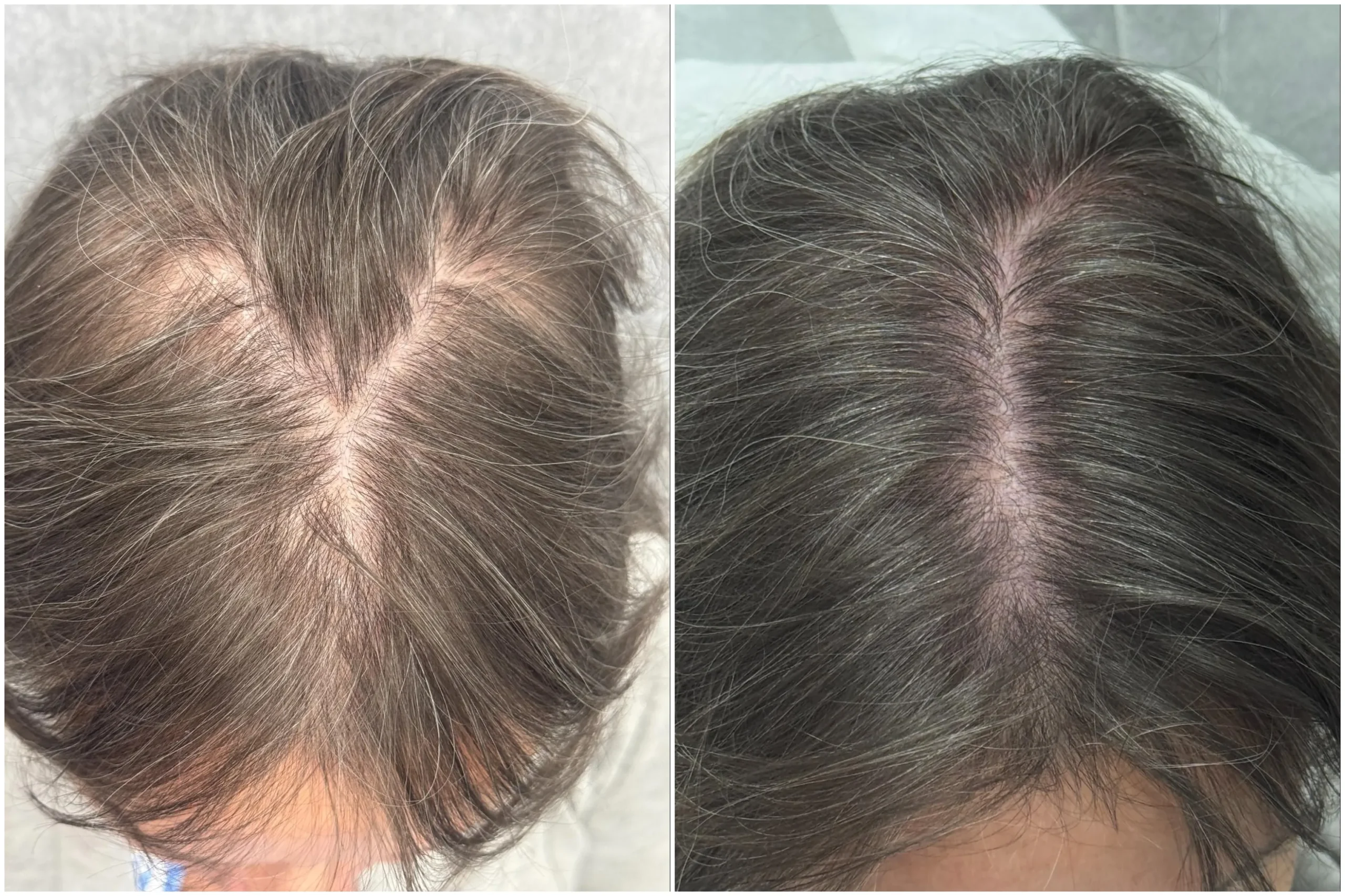
Improvement is gradual by design. Collagen remodeling continues for three to six months after a session, so most patients notice progressive change rather than an immediate result. Individual response varies with age, skin condition, sun history, and how efficiently your skin heals, and most concerns call for a series of sessions spaced several weeks apart.
What Supports Collagen Building After Treatment
Daily sun protection does the most to preserve your results, since UV exposure degrades the collagen the treatment just built. In Florida, that is a year-round commitment rather than a seasonal one.
A few other habits support the process:
- Consistent hydration, which helps the skin barrier recover
- Adequate protein intake, which supplies the amino acids collagen is built from
- Regular sleep, when much of the body’s tissue repair occurs
Each appointment starts a remodeling cycle, and allowing that cycle to progress before the next treatment gives the new collagen time to mature. For some patients, we combine RF microneedling in Venice, FL with other modalities we offer. We make those decisions during an evaluation, based on your skin and your concerns.
Are You Ready To Book an RF Microneedling Treatment?
Collagen loss happens quietly over years, and rebuilding it follows a similar timeline, which is why understanding the process ahead of time helps set realistic expectations. If firmness, texture, or acne scarring is what brought you here, our team at REJUVA Dermatology can evaluate your skin and talk through how RF microneedling fits alongside the other treatments available to you.
When you are ready, book an RF Microneedling Consultation at our Venice office today.