Table of Contents
Seeing more strands in the shower, on your pillow, or in your brush can feel unsettling fast. For some people, it is a temporary phase. For others, it is the first sign of a condition that needs proper diagnosis and a treatment plan built around the cause, not just the symptom.
At REJUVA Dermatology, we take hair loss seriously because thinning and shedding can come from several different causes. Our treatment options include PRP Hair Restoration, PRFM Hair Restoration, Laser Hair Therapy, Oral Minoxidil, Nutrafol, stem cell exosomes, and hair transplant services such as FUE Hair Transplant, Female Hair Transplant, Eyebrow Transplant, and African-American Hair Transplant. We also treat Alopecia Areata and scalp-related concerns that may contribute to thinning.
When does hair loss in men & women need a medical evaluation?
Hair loss in men and women should be medically evaluated when shedding becomes persistent, sudden, patchy, or more noticeable over time, especially if it comes with scalp irritation, redness, flaking, or tenderness. A proper evaluation helps identify whether the cause is related to hereditary thinning, stress, illness, hormones, inflammation, or a scalp condition, so the next step in treatment can be more targeted and appropriate.
Why Hair Loss Is Not Always Just a Cosmetic Concern
Hair loss is often treated like a simple appearance issue, but that is not always the full picture. Thinning and shedding can be tied to genetics, hormones, illness, medications, inflammation, stress, or nutritional factors. That is one reason a closer medical look matters. The right treatment depends on understanding what is actually causing the change.
Two people can seem to have the same problem and still need very different care. One person may be dealing with hereditary pattern thinning, while another may be experiencing shedding after illness, a scalp condition, or an inflammatory form of alopecia. Treating every case the same can waste time and allow the issue to keep progressing. A medical evaluation helps separate temporary shedding from ongoing hair loss and makes it easier to move forward with a plan that fits.
When Hair Loss In Men And Women Should Be Evaluated
This is the main question, and the answer is usually more practical than complicated. Medical evaluation matters when hair loss becomes persistent, noticeable, sudden, patchy, or paired with scalp symptoms.
A visit should move higher on your list when you notice:
- shedding that continues for weeks or months without slowing down
- sudden or heavy shedding after illness, stress, hormonal changes, or medication changes
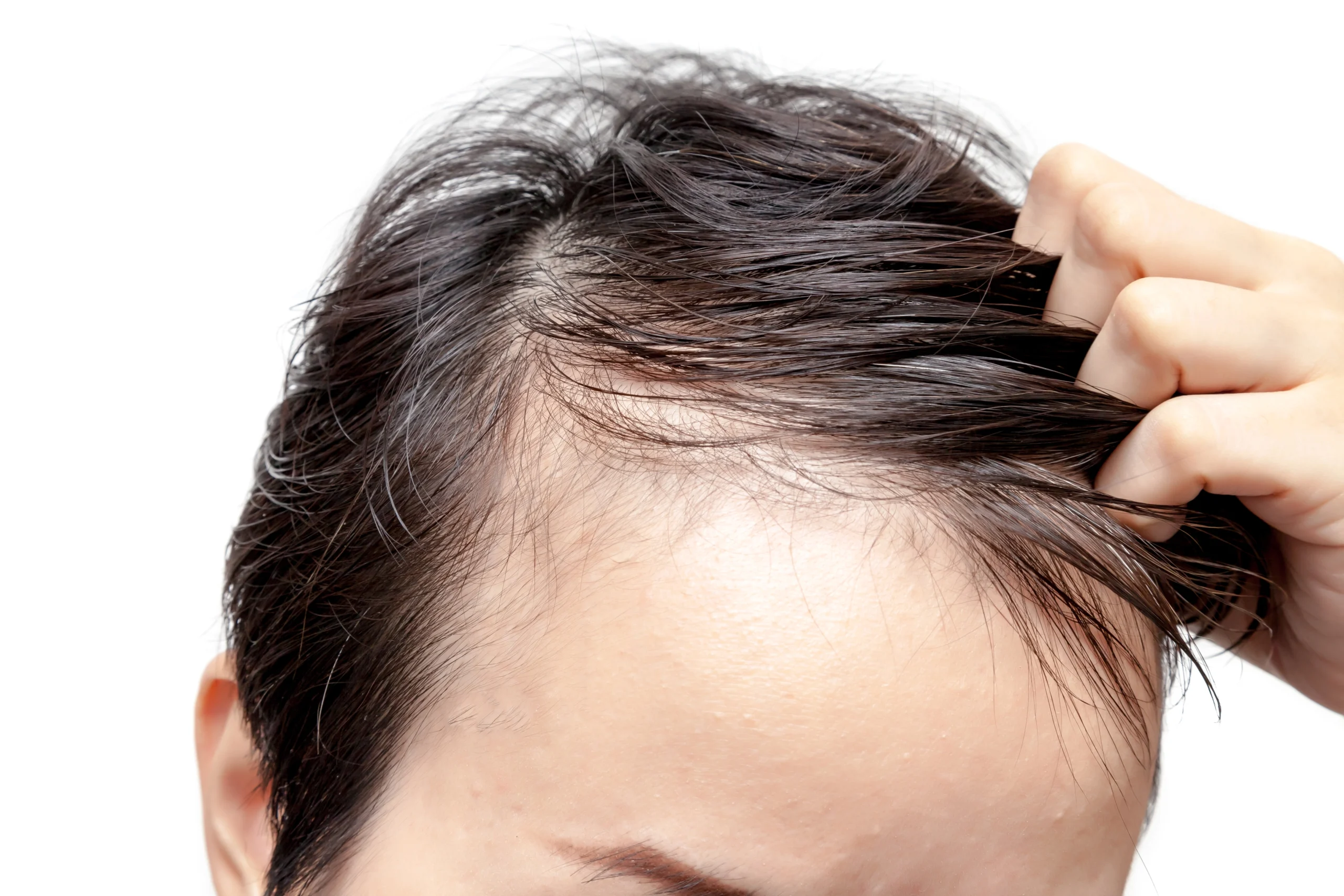
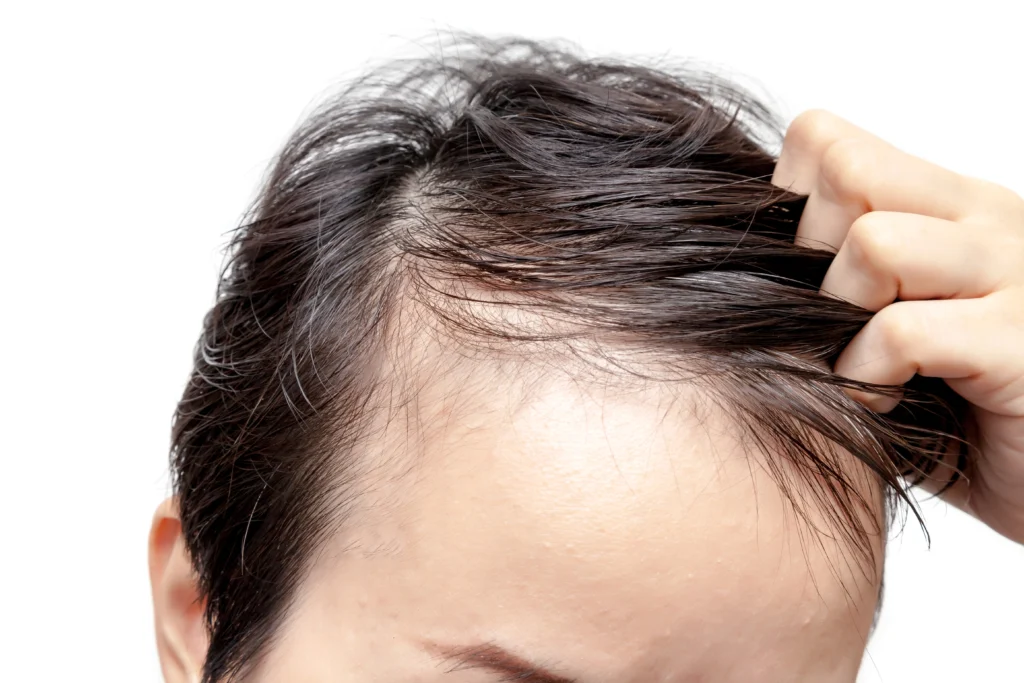
- a widening part, crown thinning, receding hairline, or overall reduced density
- patchy bald spots or areas where the scalp feels irritated, tender, flaky, or inflamed
These changes can show up in different ways. You may notice slow thinning on the crown or top of the head, a receding hairline, widening at the part, round or irregular bald patches, or more hair coming out after stress, surgery, or illness. Scalp irritation, redness, and scaling can also be a sign that more than routine shedding is going on. When that happens, getting evaluated early can help prevent further loss and improve the chances of choosing the right treatment sooner.
How Hair Loss Can Show Up Differently In Men And Women
Men and women can both experience hereditary and nonhereditary hair loss, but the pattern often looks different. Men more often notice recession at the temples or thinning at the crown. Women are more likely to notice widening at the part line or a more diffuse drop in density across the scalp.
That pattern matters, but it still does not tell the full story. A woman with diffuse shedding may be dealing with stress-related shedding, hormonal changes, or another underlying trigger. A man with rapid thinning may have more going on than routine pattern loss. Patchy thinning in either men or women may point toward Alopecia Areata or another condition that should not be self-diagnosed. Visible thinning is only one clue. Timing, symptoms, scalp health, and medical history all help shape the diagnosis.
What A Medical Evaluation Looks For
A medical evaluation for hair loss is not just about confirming that the hair is thinning. It is about figuring out what type of hair loss is happening and what may be driving it.
During an evaluation, we look at the bigger picture. That may include family history, recent illness, stress, pregnancy, menopause, medications, and when the shedding or thinning started. We also examine the scalp and hair closely to look for pattern changes, breakage, inflammation, and signs that the follicles may be under stress. In some cases, additional testing may be needed if the cause is not immediately clear.
This step matters because androgenetic alopecia, telogen effluvium, alopecia areata, and scalp-related conditions do not call for the same treatment plan. A thorough scalp and hair assessment helps uncover possible underlying causes so treatment can be more targeted from the start.
Why Early Evaluation Can Affect Treatment Planning
Waiting too long can make hair loss harder to manage, especially when the condition is progressive. Early evaluation gives you a better chance to identify the cause before more density is lost and before time is spent on products or routines that do not match the diagnosis.
That does not mean every person with mild shedding needs urgent treatment right away. It means persistent or concerning changes should not be brushed aside for months while hoping they fix themselves. Some forms of hair loss are temporary and improve with time, while others benefit from earlier intervention and closer follow-up.
For many patients, the biggest benefit of early evaluation is clarity. Once the pattern and cause are better understood, treatment becomes more focused, more realistic, and more personal.
How Diagnosis Guides The Right Hair Restoration Approach
At REJUVA Dermatology, our hair loss treatments reflect the fact that not every patient needs the same solution. We offer non-surgical options such as PRP Hair Restoration, PRFM Hair Restoration, Laser Hair Therapy, Oral Minoxidil, Nutrafol, at-home hair products, and stem cell exosomes. For patients with more advanced or specific concerns, we also offer FUE Hair Transplant, Female Hair Transplant, Eyebrow Transplant, and African-American Hair Transplant. We also treat Alopecia Areata as part of our hair restoration care.
That range is exactly why diagnosis comes first. Someone with inflammatory scalp concerns may need the scalp addressed as part of the plan. Someone with patterned thinning may be a fit for medical and regenerative options. Someone with more advanced loss may be exploring transplant-based care. In some cases, scalp conditions linked to thinning may also be supported with microneedling, PRP therapy, or light-based therapy, depending on the clinical picture.
The goal is not to throw every option at the problem. It is to match the right approach to the reason the hair is thinning.
When You Are Ready To Get Answers
If your hair loss has become more noticeable, more persistent, or more concerning than it used to be, our team is here to help you take the next step with a thoughtful medical evaluation and a personalized care plan. Schedule your hair loss evaluation today with REJUVA Dermatology to get a clearer understanding of what is causing the change and which treatment options may fit you best.