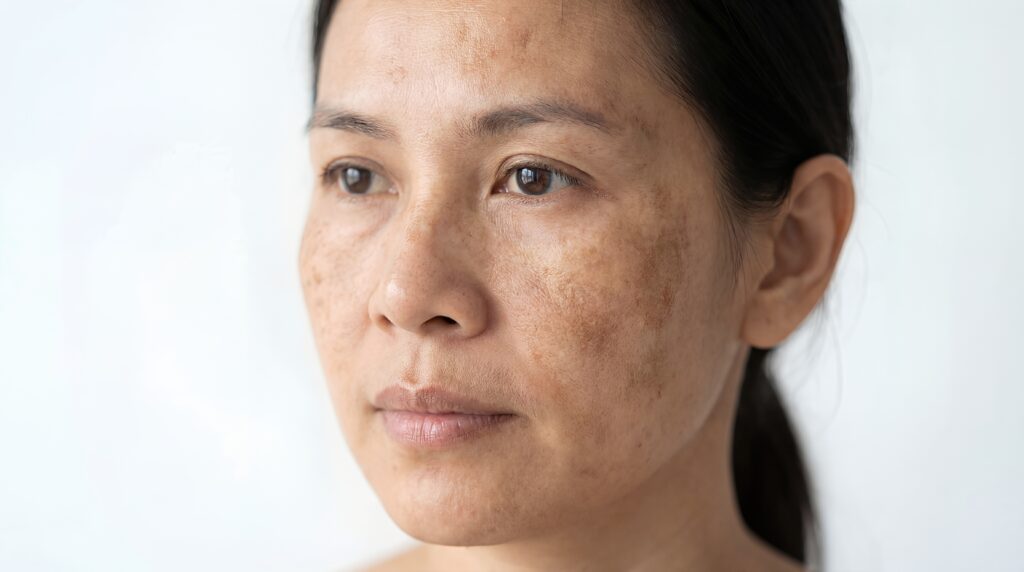
Choosing the right sunscreen is one of the most important steps in caring for skin affected by melasma. For many adults, especially women ages 25–55, dark patches on the cheeks, forehead, or upper lip can feel discouraging. Even with consistent treatment, pigmentation often darkens again after sun exposure. Many people also struggle to find a formula that protects without irritation, while others feel overwhelmed by conflicting advice about SPF ingredients, UVA filters, and “safe for sensitive skin” labels.
If this sounds familiar, you’re not alone. At ReJUVA Dermatology & Vein Center in Venice, FL, dermatology providers meet countless patients who want sunscreen that helps prevent worsening pigmentation, fits their daily routine, and actually supports long-term results. This guide explains what to look for in sunscreen for Melasma, how sun exposure contributes to flare-ups, and which formulas offer the most reliable protection.
What Is Melasma Treatment?
Melasma treatment focuses on reducing existing pigmentation and preventing future darkening. Sunscreen plays a foundational role, but it’s only one part of a comprehensive plan. A professional approach may include topical brighteners, exfoliating treatments, combination therapies, and ongoing skin maintenance.
A customized plan typically involves:
- Targeting excess melanin production
- Strengthening the skin barrier
- Reducing inflammation
- Preventing sun-triggered pigment activity
- Supporting healthy skin renewal
Every person’s skin behaves differently, from sensitivity levels to hormone-related triggers, so choosing the right products and procedures matters. When sunscreen is chosen intentionally, it amplifies the results of in-office care and helps keep pigmentation more stable year-round. This is especially important for those managing melasma in Venice, FL, where sunny weather can intensify flare-ups.
Benefits of Melasma Treatment
A consistent treatment plan guided by a dermatologist can provide long-lasting improvements. When sunscreen is used correctly alongside clinical treatments, benefits may include:
1. More Even Skin Tone
Targeted therapies help fade dark patches while sunscreen prevents new pigmentation from forming. This creates a smoother, more uniform complexion.
2. Fewer Flare-Ups
Daily sun protection is essential for preventing melasma flare-ups. Even brief exposure to UV rays or visible light can reactivate melanin production. The right SPF significantly reduces this risk.
3. Support for Sensitive Skin
Many people with melasma have reactive or easily irritated skin. Dermatologist-guided product choices, such as mineral sunscreens, often minimize stinging or redness.
4. Better Long-Term Control
Melasma tends to be chronic but can be well managed. Ongoing treatment helps reduce the frequency and intensity of pigmentation recurrence.
5. Greater Confidence in Your Skin
As discoloration softens and new flare-ups become less frequent, many patients feel more comfortable and confident wearing less makeup or going makeup-free.
Melasma Treatment for Specific Concerns
Melasma doesn’t look the same for everyone. Some people struggle with deep pigmentation below the surface, while others experience shallow, blotchy patches. Sunscreen selection should reflect these individual concerns.
Anti-Aging Benefits
Sunscreen protects against UVA rays, which contribute to photoaging. Choosing a broad-spectrum SPF for the face not only prevents pigmentation but also supports smoother, healthier-looking skin over time.
Hydration and Barrier Support
Dry or inflamed skin often becomes more reactive. Many products formulated as the best sunscreen for sensitive skin include hydrating ingredients such as niacinamide or ceramides. These help calm irritation and reduce the likelihood of redness that can worsen discoloration.
UVA and Visible Light Protection
While UVB rays cause burning, UVA rays penetrate deeper and play a major role in hyperpigmentation. Iron oxides found in tinted mineral sunscreens help protect against visible light, another trigger for sun protection in hyperpigmentation.
Compatibility With Clinical Treatments
Patients undergoing chemical peels, microneedling, or brightening regimens need sunscreens that won’t sting or disrupt the healing process. Mineral formulas often work best because they sit on the skin’s surface without causing sensitivity.
If you’re currently receiving professional care, your provider may recommend specific products to use in conjunction with in-office treatments. Many of these sunscreens are designed to enhance results and support the skin’s natural recovery processes.
Why It’s So Popular
Focusing on the right sunscreen is becoming increasingly popular for several reasons:
Proven Results
Patients notice that when they choose sunscreens formulated for pigmentation concerns, their results improve faster. Dark patches lighten more consistently, and discoloration returns less frequently.
More Options for Sensitive Skin
Modern mineral sunscreens feel lighter and blend more easily than older formulas, making them comfortable for daily use.
Flexible for All Skin Types and Routines
Whether someone prefers a tinted SPF that doubles as makeup or a lightweight lotion that layers under moisturizer, today’s sunscreens offer choices that meet individual preferences.
Ideal for Beginners and Experienced Users
People new to melasma care often start with sunscreen because it provides immediate protection. Those who already follow treatment plans rely on them to maintain their progress.
Consistent SPF use creates a strong foundation for any skincare routine, which is why dermatology providers consider it a non-negotiable step in melasma management.
Where to Get Melasma Treatment in Venice, FL
Choosing the right dermatology provider can make a remarkable difference in treating a chronic condition like melasma. A skilled professional can identify contributing factors, recommend effective solutions, and ensure products including sunscreen, are appropriate for your skin’s needs.
ReJUVA Dermatology & Vein Center serves patients throughout Venice and nearby communities, offering medical dermatology expertise along with advanced treatment options. Their team evaluates your skin’s pigmentation pattern, sensitivity level, lifestyle, and sun exposure habits to create a plan that supports long-term clarity.
To learn more about clinical treatments available, you can explore their Melasma skin care tips and service information on their website. You may also find it helpful to read related resources, such as blogs on chemical peels or laser-prevention methods, to better understand your options.
Ready for Clearer, More Protected Skin?
Choosing the right sunscreen is one of the most powerful steps in caring for melasma. When used consistently, the right formula helps calm pigmentation, prevent flare-ups, and maintain the results of professional treatments. From mineral SPFs and tinted sunscreens to formulas designed for sensitive skin, there are reliable options that protect against the triggers that deepen discoloration.
If you’re ready to build a personalized plan or explore treatment options, ReJUVA Dermatology & Vein Center can help guide you with expert support and evidence-based care. Clearer, more even skin starts with the right protection.
To take the next step, Book Your Consultation or contact the practice for more information.